Animal-Origin-Free ITS-G 100X Supplement
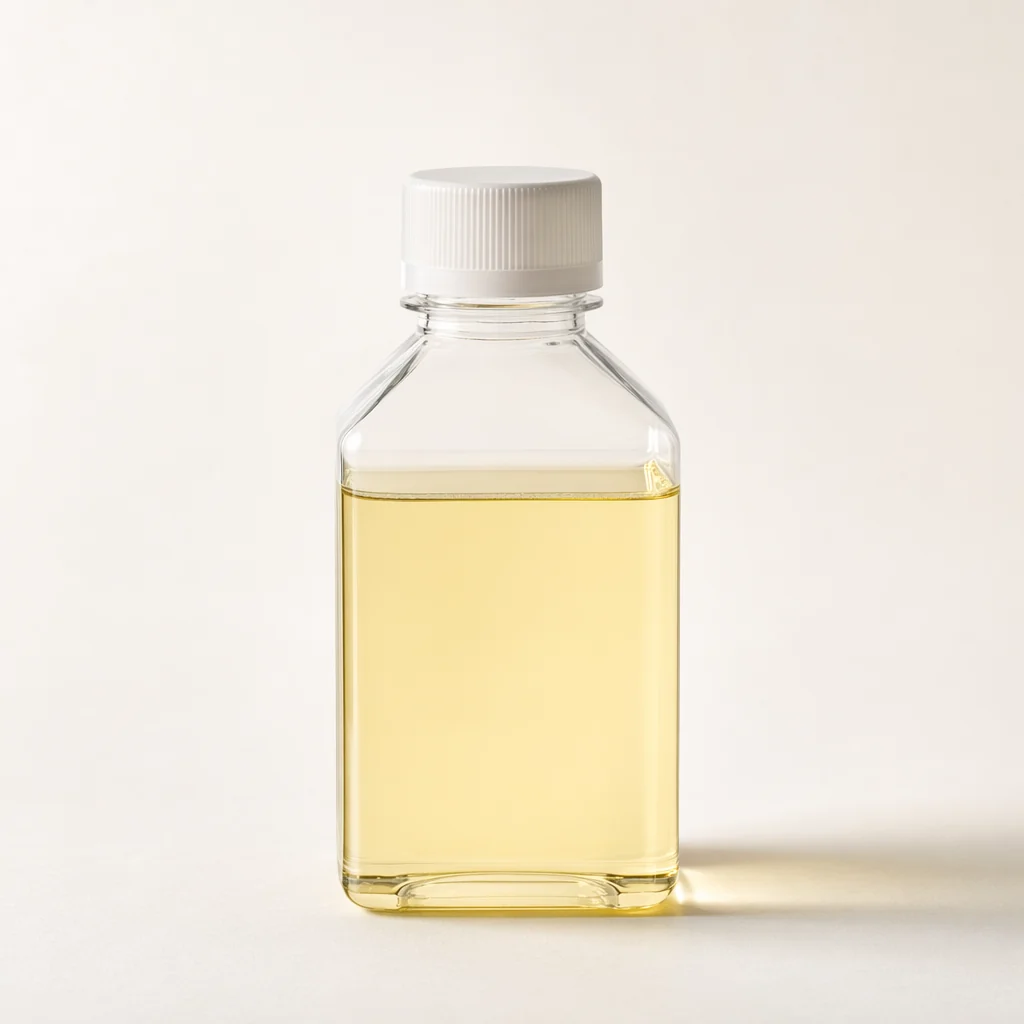
CCM-RG-0072 is a 100X animal-origin-free insulin-transferrin-selenium (ITS-G) liquid supplement for defined cell culture media. Supplied as a sterile-filtered 10 mL liquid, it provides recombinant human insulin, recombinant human transferrin, and sodium selenite for controlled supplementation of serum-reduced and serum-free workflows. The product is positioned for R&D, process development, and routine cell culture reagent sourcing, with shipping quoted per order.
- ✓ Manufacturer base price, shipping quoted per order
- ✓ ISO-aligned manufacturing
- ✓ Certificate of Analysis on request
- ✓ Bulk & custom volumes quoted on request
Overview
This ITS-G supplement is a concentrated liquid additive for use in mammalian cell culture media where defined, animal-origin-free components are required. The 100X format is intended for 1:100 dilution into compatible base media, allowing procurement teams and laboratory managers to standardize small-volume supplementation without preparing individual stock solutions. Each liter of concentrate contains 1.0 g recombinant human insulin, 550 mg recombinant human transferrin, and 0.67 mg sodium selenite. At the typical 1X working concentration, these components contribute 10 mg/L insulin, 5.5 mg/L transferrin, and 0.0067 mg/L sodium selenite.
The formulation is classified as animal-origin-free and is supplied in liquid form for convenient aseptic addition. Insulin is commonly used to support glucose uptake and metabolism in cultured cells, transferrin provides a defined iron-binding component, and selenium is supplied as sodium selenite for trace-element supplementation. CCM-RG-0072 is part of our cell culture reagents portfolio for laboratories that need documented, specification-driven inputs for research and bioprocess development.
Applications
- Defined supplementation of serum-free, serum-reduced, or low-protein mammalian cell culture media during R&D and process-development studies.
- Evaluation of insulin, transferrin, and selenium requirements in adherent or suspension culture systems where animal-origin-free inputs are preferred.
- Media optimization experiments requiring a consistent 100X ITS-G source rather than separately weighed or mixed component stocks.
- Support for routine maintenance, expansion, and assay preparation workflows in academic, biotech, and biopharma laboratories.
- Use as a cell culture-related reagent in controlled procurement programs where sterility, endotoxin limit, shelf life, and storage conditions are required on purchasing documentation.
Storage and Handling
Store CCM-RG-0072 at 2–8 °C protected from light. The product is shipped on blue ice to maintain refrigerated conditions during transit; do not freeze unless your internal validation supports freeze-thaw handling for the intended workflow. Use aseptic technique when opening the 10 mL container and minimize repeated warming or extended room-temperature exposure. The stated shelf life is 24 months when stored unopened under the recommended conditions. After opening, laboratories should assign an internal in-use period based on sterility controls, container handling, and local quality procedures.
Quality and Documentation
CCM-RG-0072 is sterile-filtered and specified with an endotoxin limit of ≤1 EU/mL. Manufacturing and release controls are aligned with ISO-style quality practices for research and bioprocessing reagents, including lot traceability and documented specification review. A Certificate of Analysis can be requested through our quality documentation team, and procurement quotes are available through the request quote workflow for standing orders, bulk packs, or multi-site supply planning. Shipping is quoted per order and destination; wholesale quantities ship most economically.
Specifications
Formulation Highlights
Contains (+)
1.0 g/L recombinant human insulin, 550 mg/L recombinant human transferrin, 0.67 mg/L sodium selenite
Storage & Handling
Storage: 2~8 ℃, protected from light. Shelf life: 24 months. Ship cold-chain where required.
Quality & Documentation
Manufactured under ISO-aligned quality management systems. Full documentation — Certificate of Analysis (CoA), Material Safety Data Sheet (MSDS), formulation summary, and stability data — is available on request. Email [email protected] with the SKU.
About this product
What cell lines does this product support?
How is this product shipped?
Is a Certificate of Analysis available?
What is the typical lead time?
Do you offer bulk pricing?
Learn more about this
- Bovine Serum in Cell CultureBovine serum is the liquid fraction of clotted cattle blood, added to culture medium at 5-10% to supply growth factors, hormones, transport and attachment proteins, lipids and trace elements that basal media do not contain. Fetal bovine serum (FBS) and fetal calf serum (FCS) are two names for the same product, collected from the fetus at slaughter of pregnant cows; newborn calf serum comes from calves under about 20 days old and donor bovine serum from controlled donor herds aged roughly 12-36 months, both containing more immunoglobulin and fewer growth factors than FBS. Because serum is an undefined biological material with substantial lot-to-lot variation, unresolved animal welfare questions and a volatile supply chain, defined serum-free and animal-origin-free media are increasingly preferred where the cell line will tolerate them.
- Recombinant Human Insulin in Cell CultureRecombinant human insulin is a 51-amino-acid, 5.8 kDa two-chain protein used as a core supplement in serum-free and chemically defined culture media, where it drives glucose and amino acid uptake, protein and lipid synthesis, and cell survival. It is produced in *E. coli* or yeast rather than extracted from animal pancreas, making it animal-origin-free, and is usually supplied as a zinc-stabilised dry powder. The typical working concentration is 5-10 ug/mL, the level delivered by a standard 1X ITS supplement, which is roughly a thousandfold above physiological insulin levels -- at that concentration insulin acts substantially through the IGF-1 receptor as well as its own. Because insulin is poorly soluble near neutral pH, powder must be dissolved in dilute hydrochloric or acetic acid before dilution into medium.