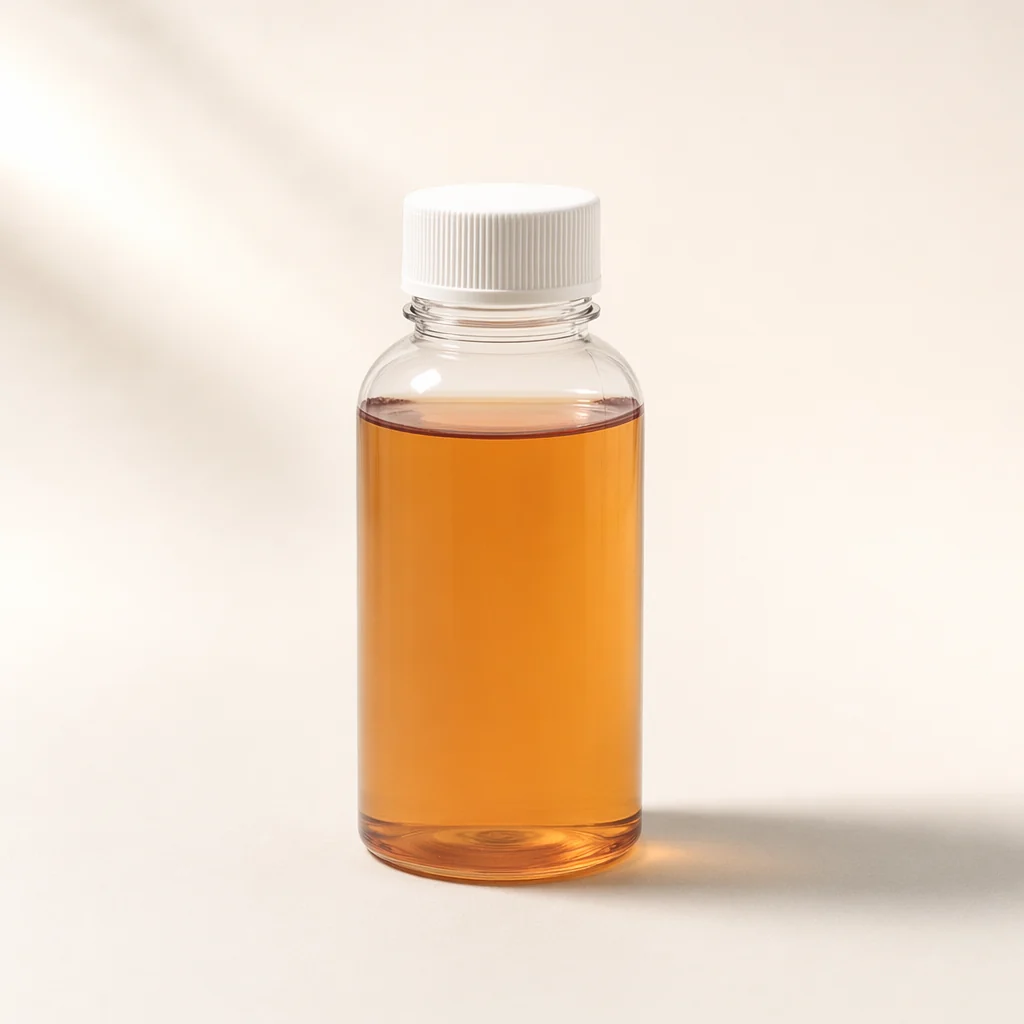
High-Glucose DMEM with Phenol Red and L-Glutamine
CCM-CM-0006 is a 500 mL liquid high-glucose DMEM medium formulated with phenol red and 4 mM L-glutamine, without sodium pyruvate or HEPES. It is intended for cell culture workflows supporting fibroblasts, smooth muscle cells, and related adherent cell systems when supplemented with serum as required. The medium is supplied sterile-filtered, with controlled pH, osmolality, and endotoxin specifications. CellCultureMedia offers this item with shipping quoted per order and procurement-friendly quotation support.
- ✓ Manufacturer base price, shipping quoted per order
- ✓ ISO-aligned manufacturing
- ✓ Certificate of Analysis on request
- ✓ Bulk & custom volumes quoted on request
Overview
High-glucose DMEM is a widely used classical cell culture medium for adherent mammalian cell systems requiring elevated glucose availability and a bicarbonate-buffered CO2 incubation environment. This 500 mL liquid formulation contains phenol red as a visual pH indicator, 4.5 g/L D-glucose, and 4 mM L-glutamine. It does not contain sodium pyruvate or HEPES, allowing laboratories to control those components separately when protocol-specific supplementation is needed. For comparable media formats and related formulations, see the classical media category.
CCM-CM-0006 is specified for use at 37°C in a 5–10% CO2 incubator and is commonly paired with 10% fetal bovine serum or an equivalent validated supplement, depending on the cell system. Key release parameters include pH 7.0–7.4, osmolality 320–350 mOsmol/kg, endotoxin not more than 1 EU/mL, and sterile filtration. The product is classified as animal-origin-free for the medium formulation itself; users should evaluate the origin and suitability of any added serum or supplements in their own process documentation.
Applications
- Routine expansion and maintenance of fibroblasts, smooth muscle cells, and other adherent mammalian cell cultures that are compatible with high-glucose DMEM.
- R&D method development where sodium pyruvate and HEPES are intentionally excluded from the base medium to reduce formulation variables.
- Academic and industrial cell culture projects requiring phenol red for visual monitoring of acidification or alkalinization during incubation.
- Serum-supplemented workflows where the user adds 10% fetal bovine serum, qualified serum alternatives, antibiotics, or additional reagents according to an internal protocol.
- Comparability studies, media screening, and scale-up planning in which pH range, osmolality range, endotoxin limit, and sterility status must be documented for procurement review.
Storage and Handling
Store CCM-CM-0006 at 2–8°C protected from light. Do not freeze, as freeze-thaw exposure can affect salts, amino acids, and indicator performance in liquid media. The stated shelf life is 12 months when the product remains unopened and stored under recommended conditions. Shipments are packed with blue ice to support temperature-controlled transit; inspect containers on receipt, confirm that the closure is intact, and record lot details before use. Warm only the required volume to working temperature and use aseptic technique to reduce contamination risk after opening.
Quality and Documentation
CellCultureMedia supplies CCM-CM-0006 for research and bioprocessing use under ISO-aligned manufacturing and quality review practices. Each production lot is released against documented specifications for appearance, sterility by filtration process control, pH, osmolality, endotoxin, labeling, and shelf-life assignment. A Certificate of Analysis is available on request through our quality documentation team. For standing orders, multi-pack requirements, or project-based supply planning, submit details through request a quote; qualified orders can include shipping quoted per order.
Specifications
Formulation Highlights
Contains (+)
Phenol red, 4.5 g/L D-glucose, 4 mM L-glutamine
Does Not Contain (-)
Sodium pyruvate, HEPES
Storage & Handling
Storage: 2~8 ℃, protected from light. Shelf life: 12 months. Ship cold-chain where required.
Quality & Documentation
Manufactured under ISO-aligned quality management systems. Full documentation — Certificate of Analysis (CoA), Material Safety Data Sheet (MSDS), formulation summary, and stability data — is available on request. Email [email protected] with the SKU.
About this product
What cell lines does this product support?
How is this product shipped?
Is a Certificate of Analysis available?
What is the typical lead time?
Do you offer bulk pricing?
Learn more about this
- Phenol Red in Cell Culture MediaPhenol red (phenolsulfonphthalein) is a pH indicator added to cell culture media at roughly 5-15 mg/L, where it turns yellow below about pH 6.8 and pink to fuchsia above about pH 8.2, with the normal red-orange of healthy medium sitting near pH 7.4. Medium turning yellow means acidification - almost always lactate from cell metabolism, from an overgrown culture or from bacterial contamination - while medium turning pink or purple means the medium has gone alkaline, nearly always because CO2 has escaped from the bicarbonate buffer. Phenol red does no buffering itself and is purely diagnostic; use phenol-red-free medium for fluorescence and absorbance assays, and for oestrogen-responsive cell work, where the dye interferes with the readout.
- Essential and Non-Essential Amino Acids in Cell CultureIn cell culture, an amino acid is called essential if cultured mammalian cells cannot make enough of it and it must be supplied in the medium - thirteen of them, the set Harry Eagle defined, including arginine, cystine, tyrosine and glutamine that are not classed as dietary essentials. The seven non-essential amino acids - glycine, alanine, asparagine, aspartic acid, glutamic acid, proline and serine - can be synthesised by most cells, and are supplied anyway because making them consumes carbon, ATP and reducing equivalents that would otherwise go into growth. A MEM NEAA 100X supplement contains all seven at 10 mM, giving 0.1 mM of each at working strength; add it to MEM or DMEM, which contain few or none, and leave it out of Ham's F-12, IMDM and DMEM/F-12, which already carry all seven.
- EMEM vs DMEM: What the Modification Actually ChangedEMEM (Eagle's Minimum Essential Medium, also sold as MEM) and DMEM (Dulbecco's Modified Eagle Medium) are the same medium one generation apart: DMEM is Eagle's formulation enriched, with roughly four times the vitamins, about twice most amino acids, twice the glutamine, added glycine and serine, ferric nitrate, and 3.7 g/L sodium bicarbonate against EMEM's 1.5-2.2 g/L. The practical consequence is that DMEM supports fast-growing, metabolically demanding lines such as HEK293 and NIH/3T3, while EMEM suits slower, less demanding adherent cells and primary lines - and because DMEM's higher bicarbonate is formulated for 10% CO2 while EMEM's suits 5%, the two are not interchangeable without checking your incubator.