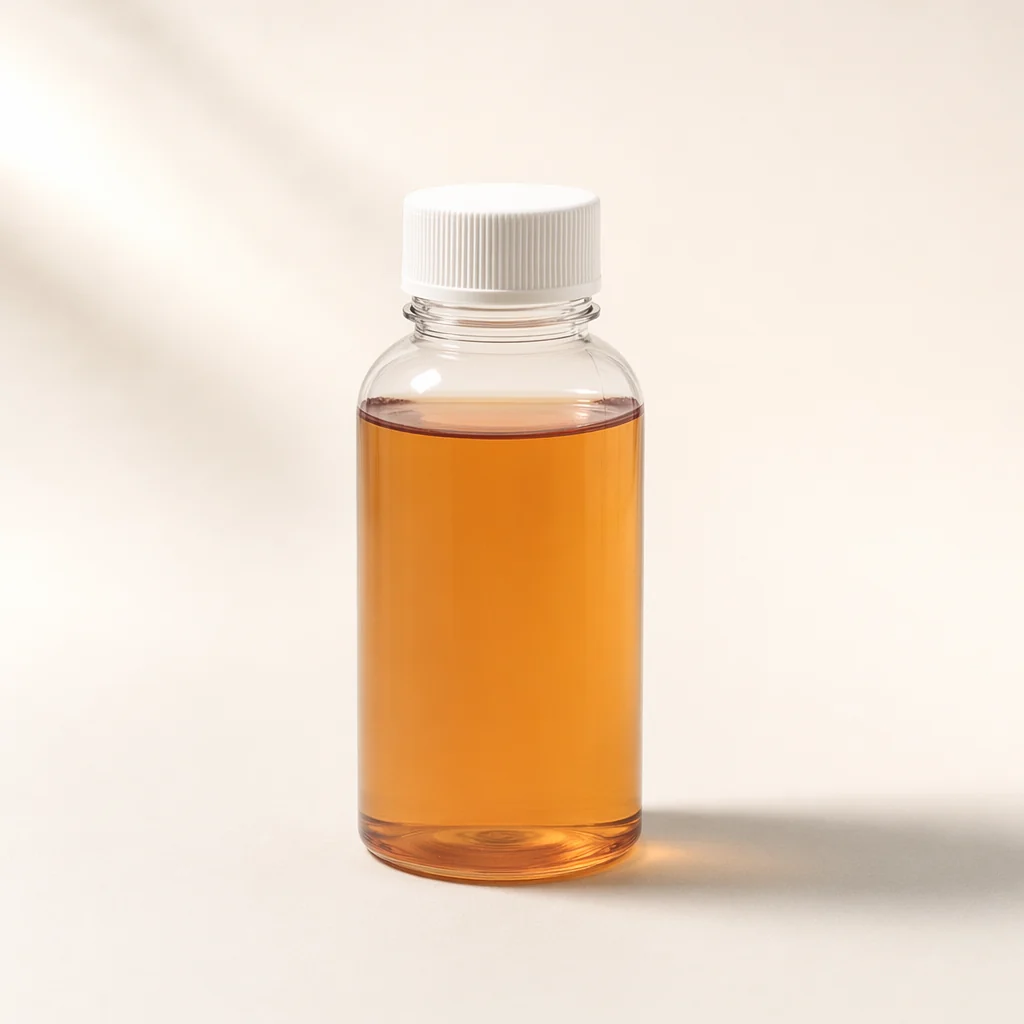
High-Glucose DMEM with L-Glutamine and Pyruvate
CCM-CM-0004 is a sterile liquid high-glucose DMEM culture medium formulated for mammalian cell culture workflows. This 500 mL format contains phenol red, 4.5 g/L D-glucose, 4 mM L-glutamine, and 0.11 g/L sodium pyruvate, with no HEPES buffer. It is supplied for research and bioprocess development use where defined pH, osmolality, endotoxin, and sterility specifications support consistent purchasing decisions. Shipping is quoted per order and destination; wholesale quantities ship most economically.
- ✓ Manufacturer base price, shipping quoted per order
- ✓ ISO-aligned manufacturing
- ✓ Certificate of Analysis on request
- ✓ Bulk & custom volumes quoted on request
Overview
High-glucose DMEM is a widely used liquid medium for routine expansion, maintenance, and experimental culture of adherent mammalian cells. CCM-CM-0004 is positioned within our classical media range and is intended for laboratories that require a ready-to-use, filter-sterilized formulation with common energy, buffering, and indicator components already included. The medium contains phenol red for visual monitoring of culture pH, 4.5 g/L D-glucose for high-glucose culture conditions, 4 mM L-glutamine as a nitrogen and energy-related nutrient, and 0.11 g/L sodium pyruvate as an additional carbon source.
The formulation is supplied without HEPES, making it suitable for incubator-based systems controlled by 5-10% CO2 at 37°C. Recommended use includes supplementation with 10% fetal bovine serum or another validated supplement system, depending on the cell type and internal protocol. Key release specifications include pH 7.0-7.4, osmolality 320-350 mOsmol/kg, endotoxin not more than 1 EU/mL, and sterility by filtration. The product is described as animal origin-free at the medium formulation level; serum or other supplements should be evaluated separately by the user.
Applications
- Routine culture of fibroblasts, smooth muscle cells, and other mammalian cell types that are compatible with high-glucose DMEM conditions.
- R&D studies requiring a phenol red-containing medium for rapid visual indication of pH shift during culture handling, incubation, and media exchange.
- Cell expansion workflows using 37°C incubation with 5-10% CO2, where the absence of HEPES is preferred to maintain standard bicarbonate and CO2-buffered culture conditions.
- Serum-supplemented protocols that specify 10% fetal bovine serum addition and require consistent medium background chemistry for lot-to-lot evaluation.
- Procurement programs consolidating classical liquid media, sera, and reagents with documented specifications and quotation support through request-quote workflows.
Storage and Handling
Store CCM-CM-0004 at 2-8°C and protect the bottle from light. Do not freeze unless the user has validated freezing and thawing for the specific application, because temperature cycling can affect medium appearance and performance. The stated shelf life is 12 months when stored unopened under recommended conditions. Shipments are handled on blue ice to maintain refrigerated transit conditions. Before use, inspect the liquid for clarity, color, leakage, or visible contamination, and warm only the required volume using a controlled laboratory procedure. Use aseptic technique after opening, and minimize repeated warming events or extended exposure to ambient light.
Quality and Documentation
CellCultureMedia supplies CCM-CM-0004 for research, development, and bioprocess support environments that require traceable product data and procurement-ready documentation. Manufacturing and release testing follow ISO-aligned quality practices, with sterility, endotoxin, pH, osmolality, formulation, storage, and shelf-life information available for technical review. A Certificate of Analysis can be provided on request, and customers may contact our team for lot documentation, bulk supply planning, or specification confirmation through the quality resource page. Shipping is quoted per order and destination; wholesale quantities ship most economically.
Specifications
Formulation Highlights
Contains (+)
Phenol red, 4.5 g/L D-glucose, 4 mM L-glutamine, 0.11 g/L sodium pyruvate
Does Not Contain (-)
[-]HEPES
Storage & Handling
Storage: 2~8 ℃, protected from light. Shelf life: 12 months. Ship cold-chain where required.
Quality & Documentation
Manufactured under ISO-aligned quality management systems. Full documentation — Certificate of Analysis (CoA), Material Safety Data Sheet (MSDS), formulation summary, and stability data — is available on request. Email [email protected] with the SKU.
About this product
What cell lines does this product support?
How is this product shipped?
Is a Certificate of Analysis available?
What is the typical lead time?
Do you offer bulk pricing?
Learn more about this
- Heat Inactivation of Fetal Bovine Serum (FBS)Heat inactivation of fetal bovine serum is a controlled 30-minute incubation at 56 degrees C that destroys the heat-labile proteins of the complement cascade before the serum is added to culture medium. The serum is thawed, brought to 37 degrees C, transferred to a 56 degrees C water bath, held for exactly 30 minutes from the moment the serum itself reaches temperature with gentle swirling every 5-10 minutes, then cooled immediately and aliquoted. For routine culture of established cell lines it is usually unnecessary, because complement activity in fetal serum is low and heating also degrades labile growth factors; it remains standard practice for immunological assays and complement-sensitive cells.
- Glucose solution in cell cultureA cell culture glucose solution is a concentrated sterile D-glucose stock, commonly supplied at 300-450 g/L (30-45% w/v), used to supplement basal media and to feed cultures that consume glucose faster than the medium supplies it. D-glucose has a molecular weight of 180.16, so 1 g/L equals 5.55 mM: standard media run from 1 g/L (5.5 mM) in low-glucose DMEM through 2 g/L (11.1 mM) in RPMI 1640 to 4.5 g/L (25 mM) in high-glucose DMEM. Glucose is added to prevent depletion in long or high-density cultures, and it is normally sterile-filtered rather than autoclaved, because heating glucose with amino acids produces browning reaction products.
- EMEM vs DMEM: What the Modification Actually ChangedEMEM (Eagle's Minimum Essential Medium, also sold as MEM) and DMEM (Dulbecco's Modified Eagle Medium) are the same medium one generation apart: DMEM is Eagle's formulation enriched, with roughly four times the vitamins, about twice most amino acids, twice the glutamine, added glycine and serine, ferric nitrate, and 3.7 g/L sodium bicarbonate against EMEM's 1.5-2.2 g/L. The practical consequence is that DMEM supports fast-growing, metabolically demanding lines such as HEK293 and NIH/3T3, while EMEM suits slower, less demanding adherent cells and primary lines - and because DMEM's higher bicarbonate is formulated for 10% CO2 while EMEM's suits 5%, the two are not interchangeable without checking your incubator.