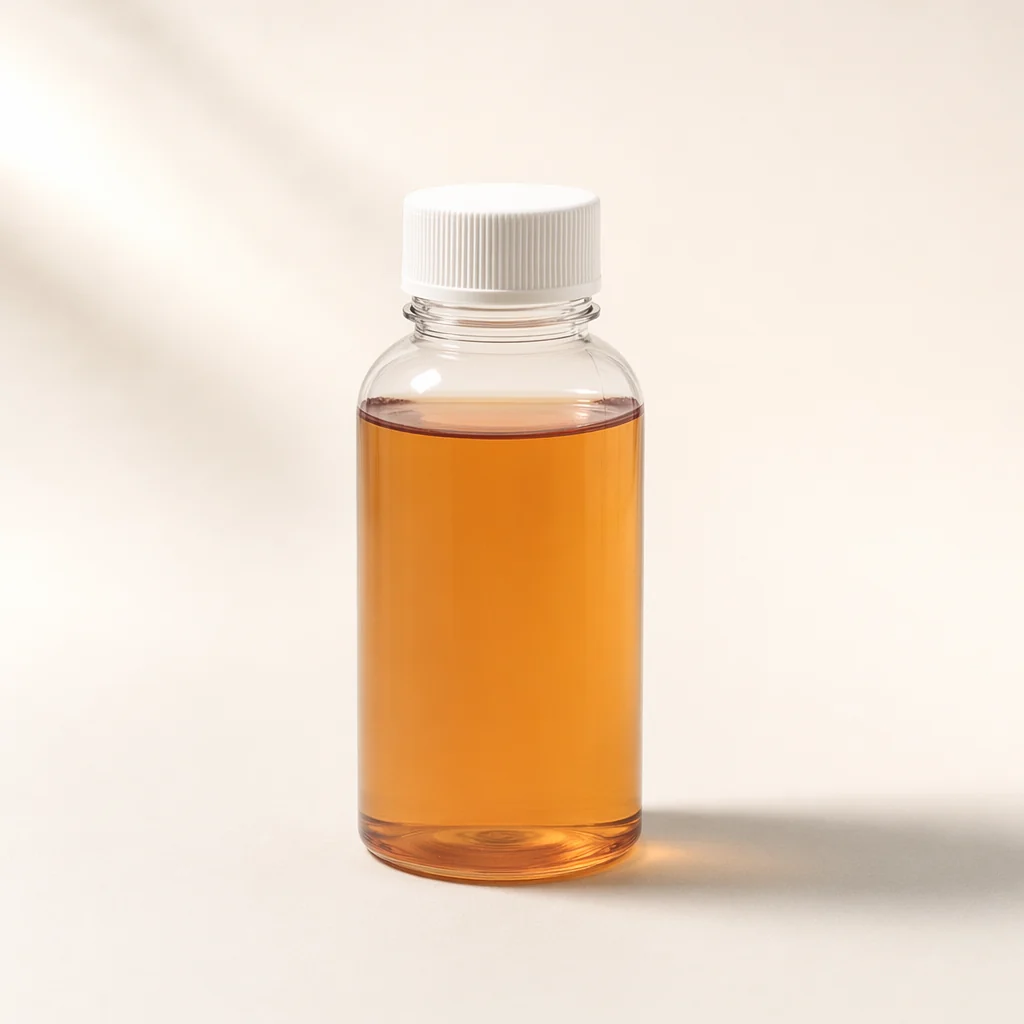
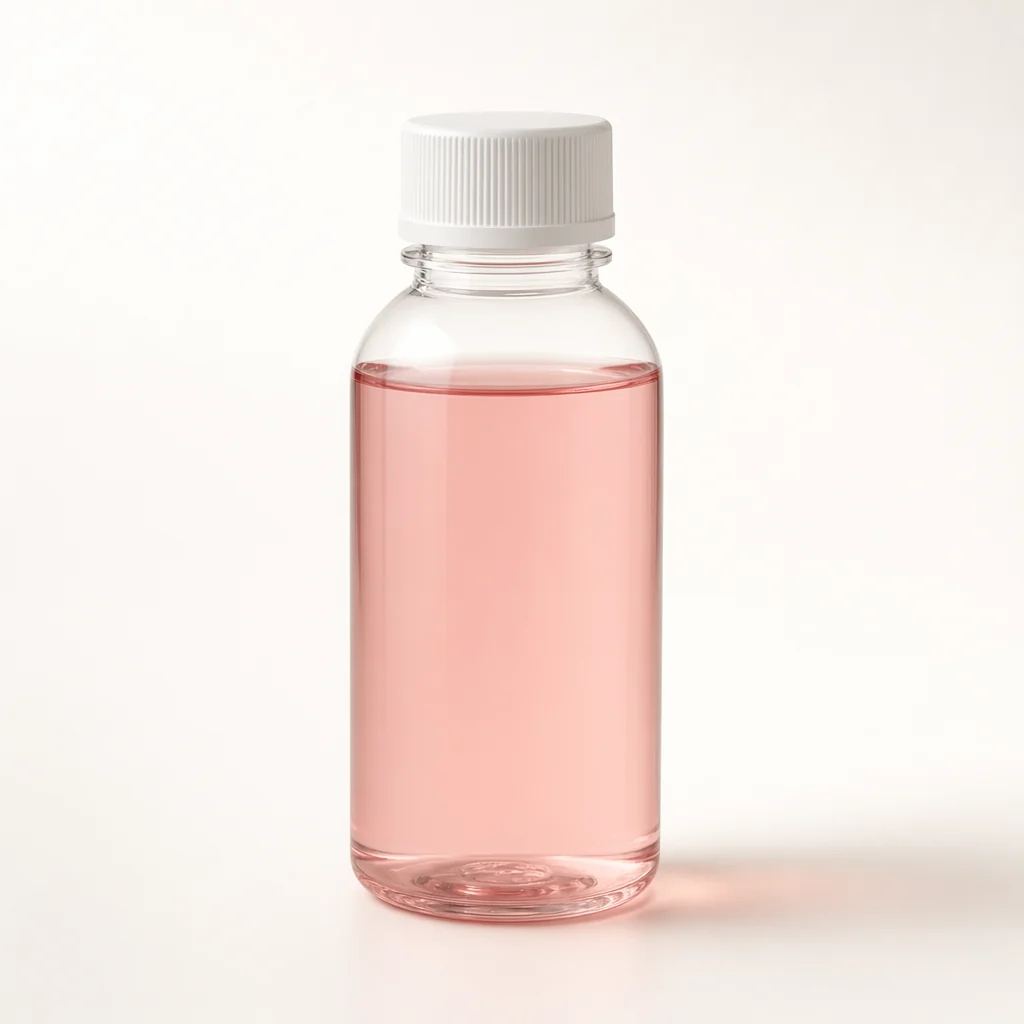
MEM Alpha Modified Medium, 500 mL
CCM-CM-0024 is a 500 mL liquid MEM Alpha modified medium for serum-supplemented mammalian cell culture workflows. The formulation includes phenol red, 1.0 g/L D-glucose, 2 mM L-glutamine, 0.11 g/L sodium pyruvate, and MEM non-essential amino acids. It is supplied sterile-filtered for scientific and basic research use, with pH 7.0–7.4 and osmolality 260–320 mOsmol/kg. CellCultureMedia offers this pack at $29.17 with shipping quoted per order.
- ✓ Manufacturer base price, shipping quoted per order
- ✓ ISO-aligned manufacturing
- ✓ Certificate of Analysis on request
- ✓ Bulk & custom volumes quoted on request
Overview
CCM-CM-0024 is a ready-to-use liquid MEM Alpha modified medium designed for mammalian cell culture systems that require enriched amino acid and energy-substrate support. This 500 mL bottle is supplied with phenol red as a visual pH indicator, 1.0 g/L D-glucose for carbohydrate input, 2 mM L-glutamine, 0.11 g/L sodium pyruvate, and MEM non-essential amino acids. The product is configured as animal-origin-free before any user-selected serum supplementation and is commonly paired with 10% FBS when required by established laboratory protocols.
Key release specifications include pH 7.0–7.4, osmolality 260–320 mOsmol/kg, endotoxin not more than 1 EU/mL, and sterile-filtered liquid format. It is intended for incubator conditions of 37°C with 5–10% CO2, depending on the cell system and laboratory method. For related classical nutrient formulations, procurement teams can compare options in the classical media category. The balanced composition supports routine R&D use while giving process teams a defined specification set for incoming material review, lot qualification, and repeat purchasing.
Applications
- Routine culture of fibroblasts and other adherent mammalian cells requiring MEM Alpha modified nutrient support.
- Culture of primary rat astrocytes and similar primary-cell workflows where the laboratory protocol specifies MEM Alpha modified medium with serum supplementation.
- Scientific and basic research experiments requiring phenol red monitoring, sodium pyruvate, L-glutamine, and MEM non-essential amino acids in a single liquid medium.
- Small-batch method development, cell expansion studies, and academic laboratory use where a sterile-filtered 500 mL bottle size reduces open-container handling.
- Procurement standardization for teams that need documented pH, osmolality, endotoxin, sterility, storage, and shelf-life parameters for the same CCM-* item number across repeat orders.
Storage and Handling
Store CCM-CM-0024 at 2–8°C protected from light. Do not expose the bottle to repeated warming cycles or extended room-temperature holding, as L-glutamine and phenol red-containing media should be handled consistently to preserve formulation performance. The stated shelf life is 12 months when the product is kept unopened under recommended conditions. Shipments are packed on blue ice to maintain cold-chain handling during transit. Before use, equilibrate only the required volume, mix gently without foaming, and apply aseptic technique after opening. Confirm that the medium remains clear and within expected color range before adding serum or other protocol-specific supplements.
Quality and Documentation
CellCultureMedia supplies CCM-CM-0024 for research and bioprocess development environments that require traceable specifications and procurement-ready documentation. Manufacturing and quality review follow ISO-aligned practices, with sterility, endotoxin, pH, osmolality, appearance, and formulation attributes controlled at lot release. A Certificate of Analysis is available on request through the quality documentation team. For recurring orders, multi-lot planning, or volume pricing, submit requirements through request a quote. Standard 500 mL units ship with shipping quoted per order where service is available, helping purchasing teams consolidate international sourcing without adding freight complexity to the unit-cost review.
Specifications
Formulation Highlights
Contains (+)
[+]Phenol Red[+]1.0 g/L D-Glucose[+]2 mM L-Glutamine[+]0.11 g/L Sodium Pyruvate[+]MEM Non-Essential Amino Acids
Storage & Handling
Storage: 2~8 ℃, protected from light. Shelf life: 12 months. Ship cold-chain where required.
Quality & Documentation
Manufactured under ISO-aligned quality management systems. Full documentation — Certificate of Analysis (CoA), Material Safety Data Sheet (MSDS), formulation summary, and stability data — is available on request. Email [email protected] with the SKU.
About this product
What cell lines does this product support?
How is this product shipped?
Is a Certificate of Analysis available?
What is the typical lead time?
Do you offer bulk pricing?
Learn more about this
- MEM Alpha (α-MEM) and Minimum Essential MediumMEM alpha (α-MEM) is Eagle's Minimum Essential Medium enriched with all the non-essential amino acids, sodium pyruvate, lipoic acid, ascorbic acid, biotin and vitamin B12, and is supplied either with or without ribonucleosides and deoxyribonucleosides. It uses the same salt base as MEM — 2,200 mg/L sodium bicarbonate matched to a 5% CO2 atmosphere, 1,000 mg/L glucose and 1.8 mM calcium — and is the standard medium for mesenchymal stromal cells, bone marrow cultures, osteoblasts, CHO-DXB11 and CHO-DG44 selection, and many primary cell types. The nucleoside-free version is required for HAT and methotrexate-based selection systems.
- Essential and Non-Essential Amino Acids in Cell CultureIn cell culture, an amino acid is called essential if cultured mammalian cells cannot make enough of it and it must be supplied in the medium - thirteen of them, the set Harry Eagle defined, including arginine, cystine, tyrosine and glutamine that are not classed as dietary essentials. The seven non-essential amino acids - glycine, alanine, asparagine, aspartic acid, glutamic acid, proline and serine - can be synthesised by most cells, and are supplied anyway because making them consumes carbon, ATP and reducing equivalents that would otherwise go into growth. A MEM NEAA 100X supplement contains all seven at 10 mM, giving 0.1 mM of each at working strength; add it to MEM or DMEM, which contain few or none, and leave it out of Ham's F-12, IMDM and DMEM/F-12, which already carry all seven.