High-Glucose DMEM with L-Glutamine and HEPES
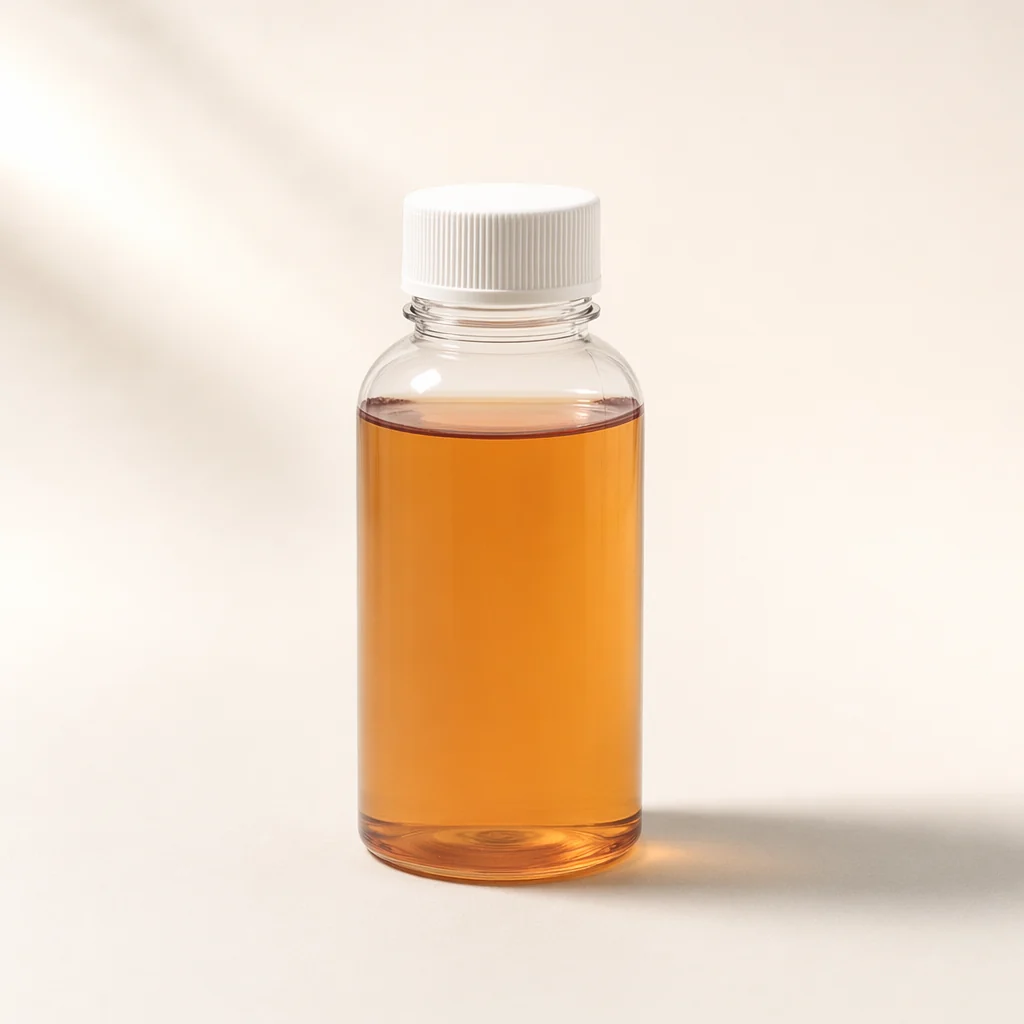
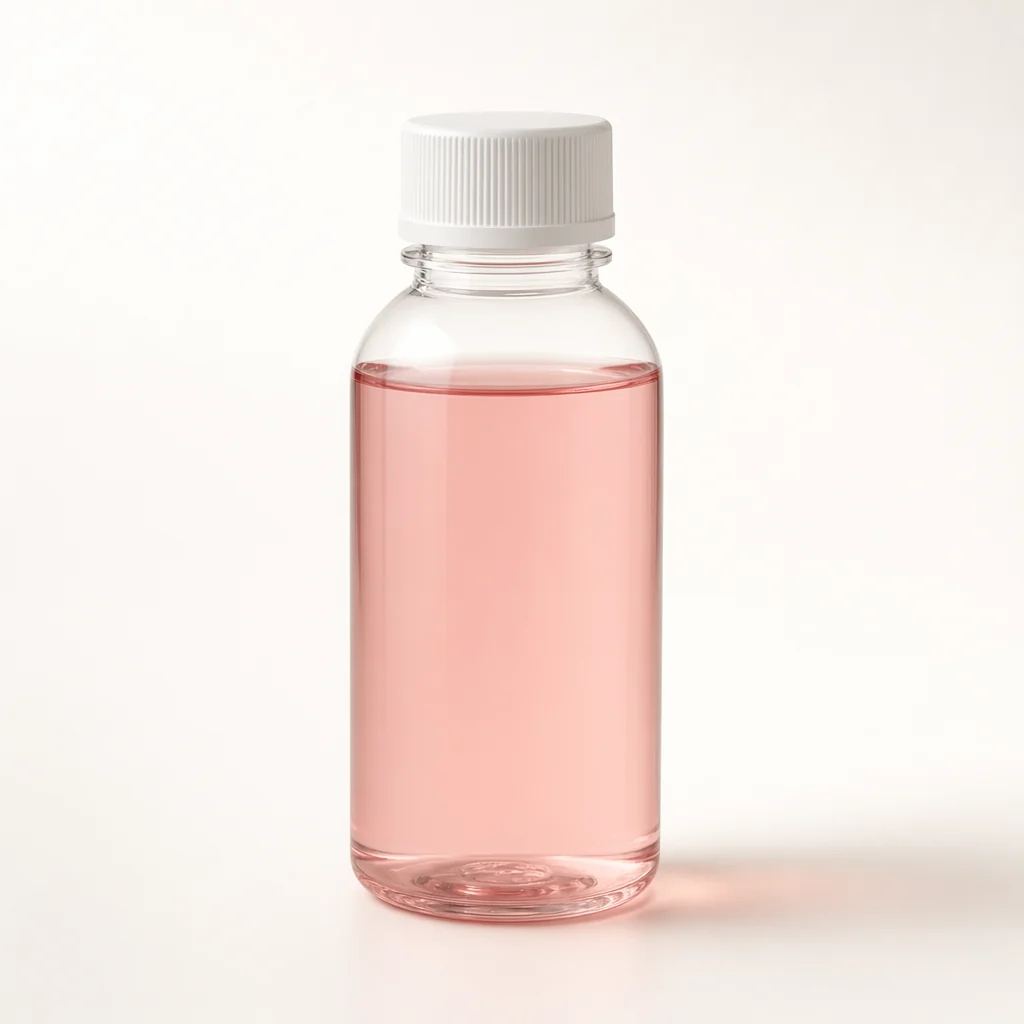
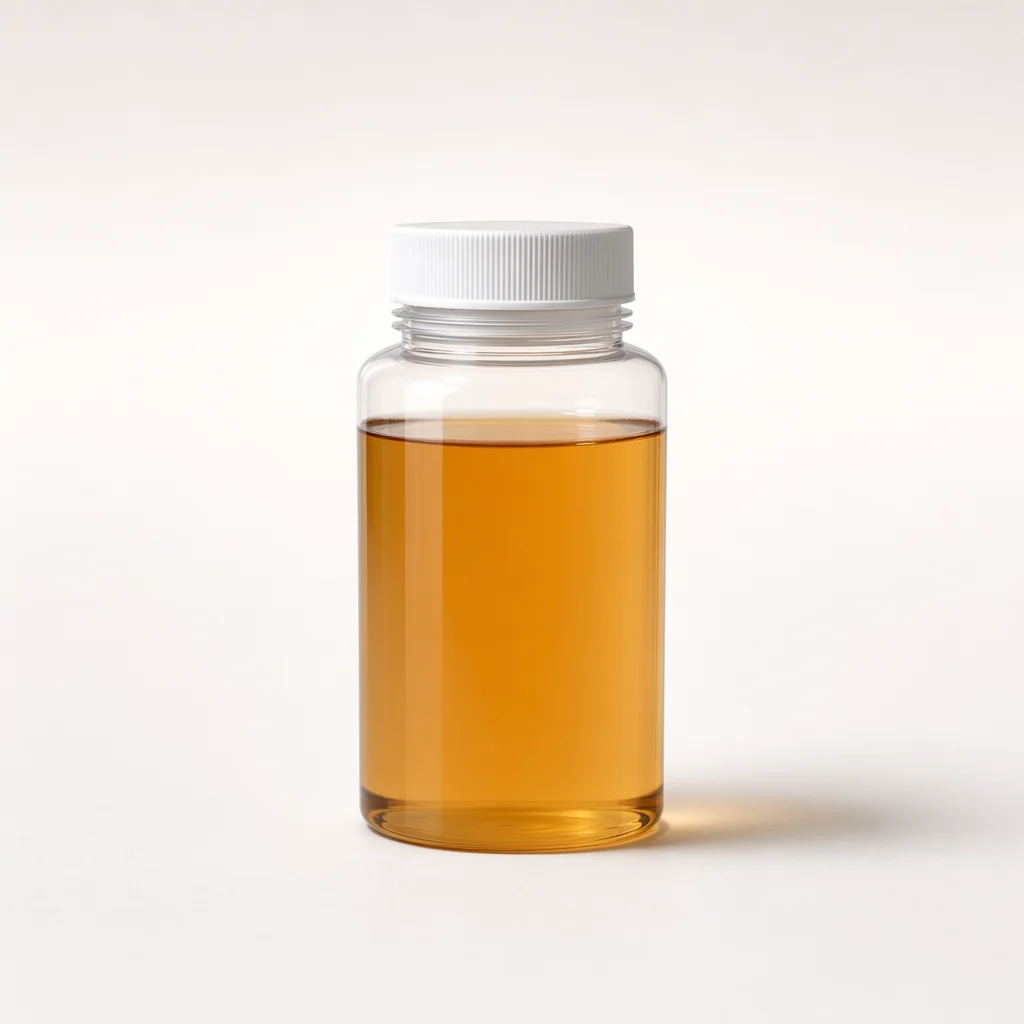
CCM-CM-0008 is a liquid high-glucose DMEM medium containing 4.5 g/L D-glucose, 4 mM L-glutamine, and HEPES, formulated without phenol red or sodium pyruvate. It is supplied as a 500 mL bottle for mammalian cell culture workflows in research and bioprocess development laboratories. The medium is sterile-filtered, animal-origin-free before user supplementation, and specified for pH 7.0–7.4, osmolality 295–340 mOsmol/kg, and endotoxin ≤1 EU/mL. CellCultureMedia offers this item at USD 19.44 with shipping quoted per order.
- ✓ Manufacturer base price, shipping quoted per order
- ✓ ISO-aligned manufacturing
- ✓ Certificate of Analysis on request
- ✓ Bulk & custom volumes quoted on request
Overview
CCM-CM-0008 is a high-glucose Dulbecco’s Modified Eagle Medium supplied in ready-to-use liquid form for users who require a phenol red-free and sodium pyruvate-free formulation. The formulation includes 4.5 g/L D-glucose for high-energy culture conditions, 4 mM L-glutamine as a nitrogen and carbon source, and HEPES for enhanced buffering during routine handling outside the incubator. It is intended for scientific and basic research applications, including mammalian cell expansion, assay preparation, and process-development studies.
This medium is part of the CellCultureMedia classical media portfolio and is suitable for laboratories standardizing DMEM-based workflows across R&D, academic, and biopharma environments. The unsupplemented medium is animal-origin-free; typical use requires addition of 10% fetal bovine serum or an internally qualified alternative supplement. Source specifications include sterile filtration, pH 7.0–7.4, osmolality 295–340 mOsmol/kg, endotoxin ≤1 EU/mL, and a 12-month shelf life when stored correctly. Because the formula excludes phenol red, it is appropriate where visible pH indicator dye may interfere with absorbance, fluorescence, imaging, or color-sensitive readouts. Because it excludes sodium pyruvate, users can control pyruvate concentration independently when comparing metabolic conditions or optimizing proprietary culture protocols.
Applications
- Routine culture of fibroblasts, smooth muscle cells, and other validated mammalian cell types maintained in high-glucose DMEM conditions.
- Serum-supplemented culture systems requiring user addition of 10% fetal bovine serum or a qualified supplement according to the laboratory’s protocol.
- Assay workflows that benefit from a phenol red-free background, including plate-based optical measurement, microscopy, reporter analysis, and cell-density monitoring.
- Research studies where sodium pyruvate must be omitted from the base medium so that carbon-source variables can be evaluated separately.
- 37 °C incubator operation with 5–10% CO2, consistent with the stated culture environment for this formulation.
- Process development, media comparison, incoming-material qualification, and scale-up feasibility work where defined pH, osmolality, endotoxin, sterility, and lot documentation are procurement requirements.
Storage and Handling
Store CCM-CM-0008 at 2–8 °C protected from light. Do not freeze unless your internal validation permits freeze-thaw exposure, as freezing can affect salts, buffering performance, and soluble components in complete media workflows. The product ships on blue ice and should be transferred to refrigerated storage upon receipt. Use aseptic technique when opening the bottle, minimize repeated warming, and close the container promptly after dispensing. The specified shelf life is 12 months under recommended storage conditions; always follow the lot-specific expiry date on the label and record opening dates for controlled inventory management.
Quality and Documentation
CellCultureMedia supplies CCM-CM-0008 for research and bioprocessing use with procurement-focused specifications suitable for vendor qualification and internal material review. Manufacturing and release controls are aligned with ISO-style quality management expectations for cell culture reagents, including filtration-based sterility processing and lot traceability. A Certificate of Analysis is available on request and may include lot-specific release data such as pH, osmolality, endotoxin, appearance, and sterility status. Buyers can review documentation practices through our quality information page or request a quote for bulk quantities, scheduled deliveries, and multi-site purchasing programs. Shipping is quoted per order and destination; wholesale quantities ship most economically.
Specifications
Formulation Highlights
Contains (+)
4.5 g/L D-glucose, 4 mM L-glutamine, HEPES
Does Not Contain (-)
Phenol red, Sodium pyruvate
Storage & Handling
Storage: 2~8 ℃, protected from light. Shelf life: 12 months. Ship cold-chain where required.
Quality & Documentation
Manufactured under ISO-aligned quality management systems. Full documentation — Certificate of Analysis (CoA), Material Safety Data Sheet (MSDS), formulation summary, and stability data — is available on request. Email [email protected] with the SKU.
About this product
What cell lines does this product support?
How is this product shipped?
Is a Certificate of Analysis available?
What is the typical lead time?
Do you offer bulk pricing?
Learn more about this
- DMEM (Dulbecco's Modified Eagle Medium)DMEM (Dulbecco's Modified Eagle Medium) is a basal cell culture medium derived from Eagle's Minimal Essential Medium by raising the amino acid and vitamin concentrations roughly fourfold. It is supplied in high-glucose (4,500 mg/L, 25 mM) and low-glucose (1,000 mg/L, 5.6 mM) forms, buffered with 3,700 mg/L sodium bicarbonate, and requires serum or a defined supplement plus a CO2 atmosphere to hold physiological pH. DMEM is the default medium for adherent lines such as HEK293, HeLa, NIH/3T3, Vero and CHO-derived adherent cultures, and for most primary fibroblasts.
- Phenol Red in Cell Culture MediaPhenol red (phenolsulfonphthalein) is a pH indicator added to cell culture media at roughly 5-15 mg/L, where it turns yellow below about pH 6.8 and pink to fuchsia above about pH 8.2, with the normal red-orange of healthy medium sitting near pH 7.4. Medium turning yellow means acidification - almost always lactate from cell metabolism, from an overgrown culture or from bacterial contamination - while medium turning pink or purple means the medium has gone alkaline, nearly always because CO2 has escaped from the bicarbonate buffer. Phenol red does no buffering itself and is purely diagnostic; use phenol-red-free medium for fluorescence and absorbance assays, and for oestrogen-responsive cell work, where the dye interferes with the readout.