
Animal-Origin-Free Serum-Free 293 Medium
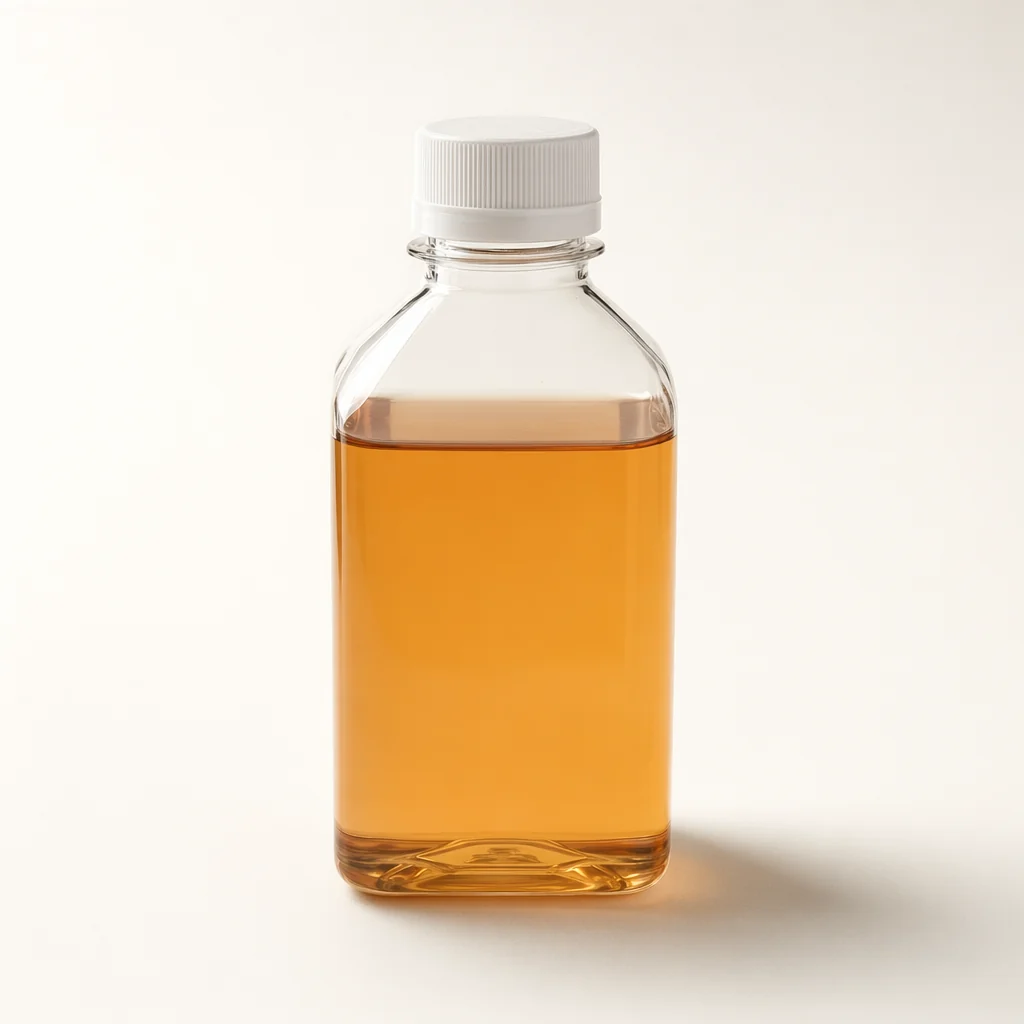
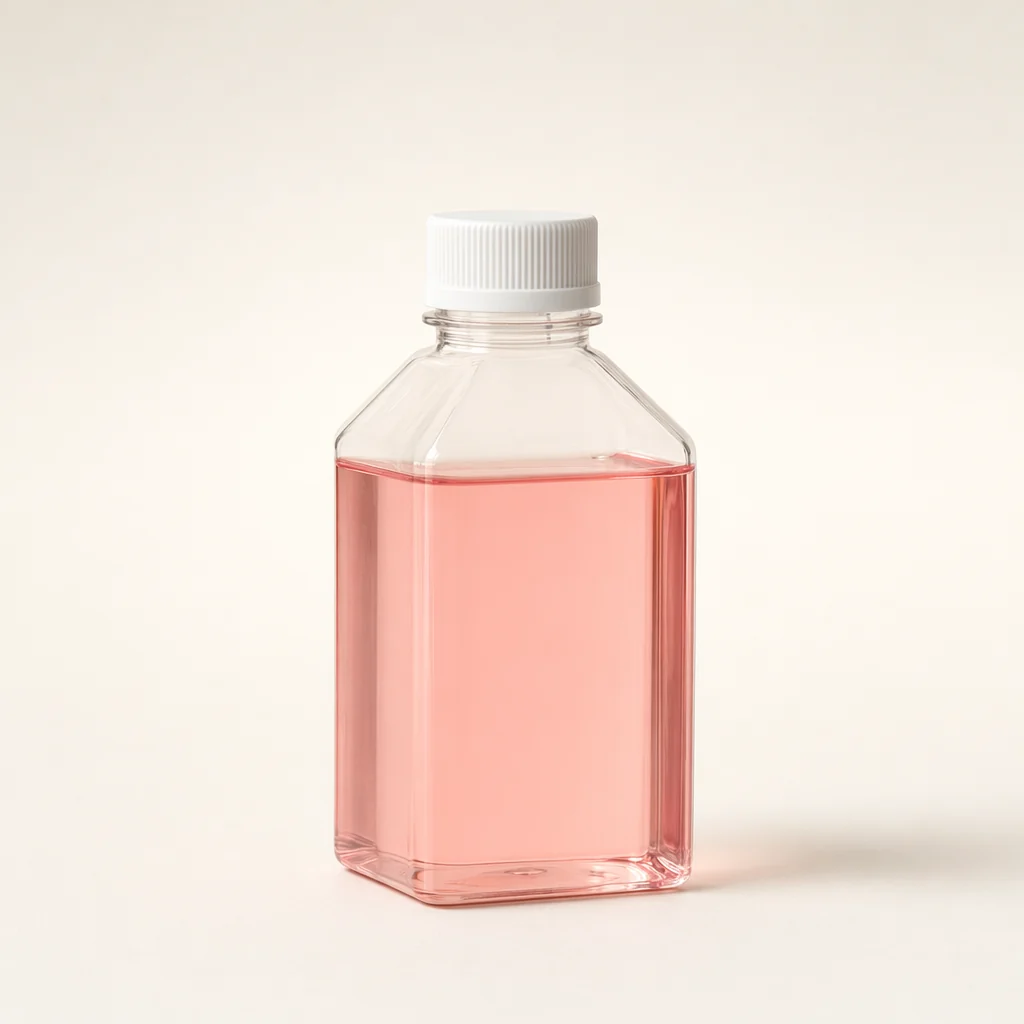
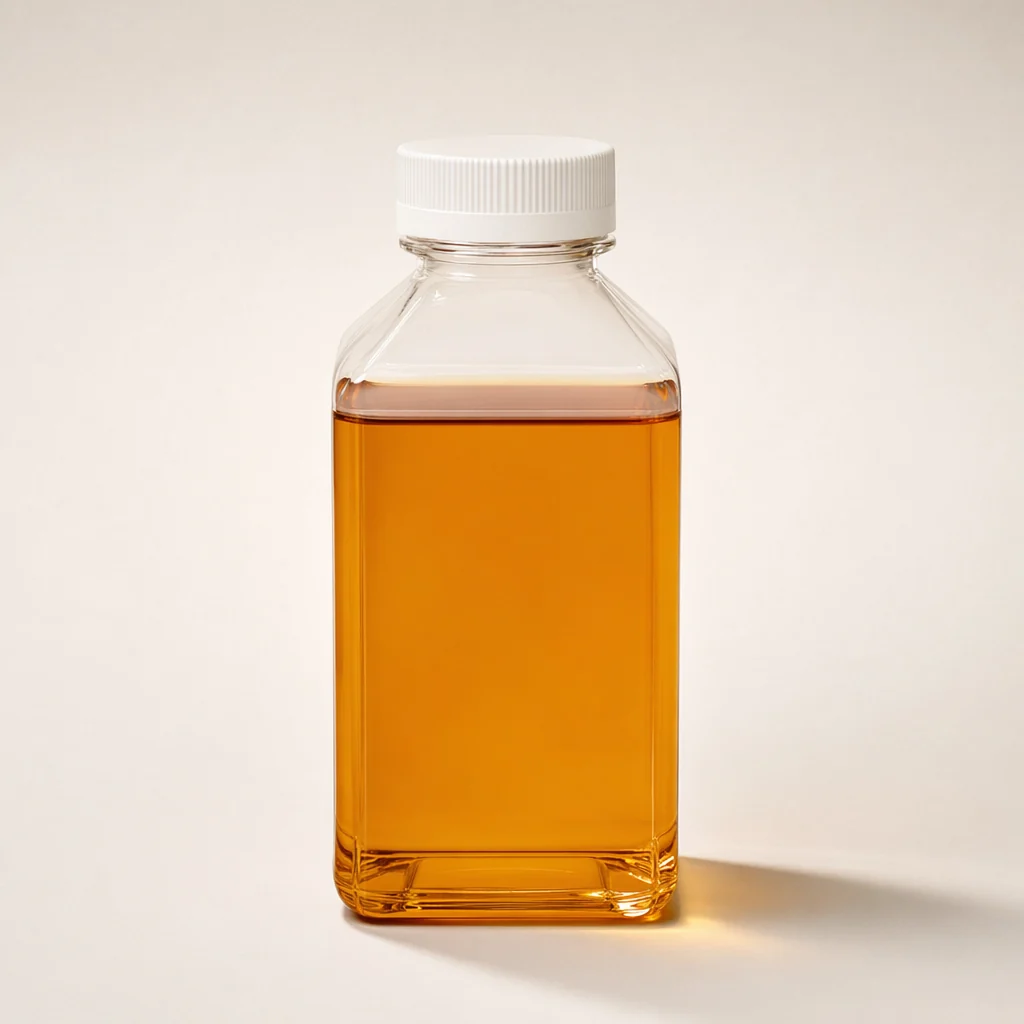
CCM-SF-0057 is an animal-origin-free, serum-free liquid medium for suspension culture of HEK293-derived cells in research and bioprocessing workflows. Supplied as a 500 mL bottle, it is formulated for serum-free operation without phenol red and includes D-glucose, 2 mM L-glutamine, and 2 mM L-alanyl-glutamine. The medium is shipped on blue ice with shipping quoted per order, supporting procurement teams that require documented, specification-led supply.
- ✓ Wholesale and bulk pricing on request
- ✓ Private-label and OEM packaging quoted on request
- ✓ ISO-aligned manufacturing
- ✓ Certificate of Analysis on request
Wholesale supply terms
- Pack size
- Listed pack: 500 mL. Other pack sizes on request.
- Minimum order
- Minimum order quantities on request
- Bulk format
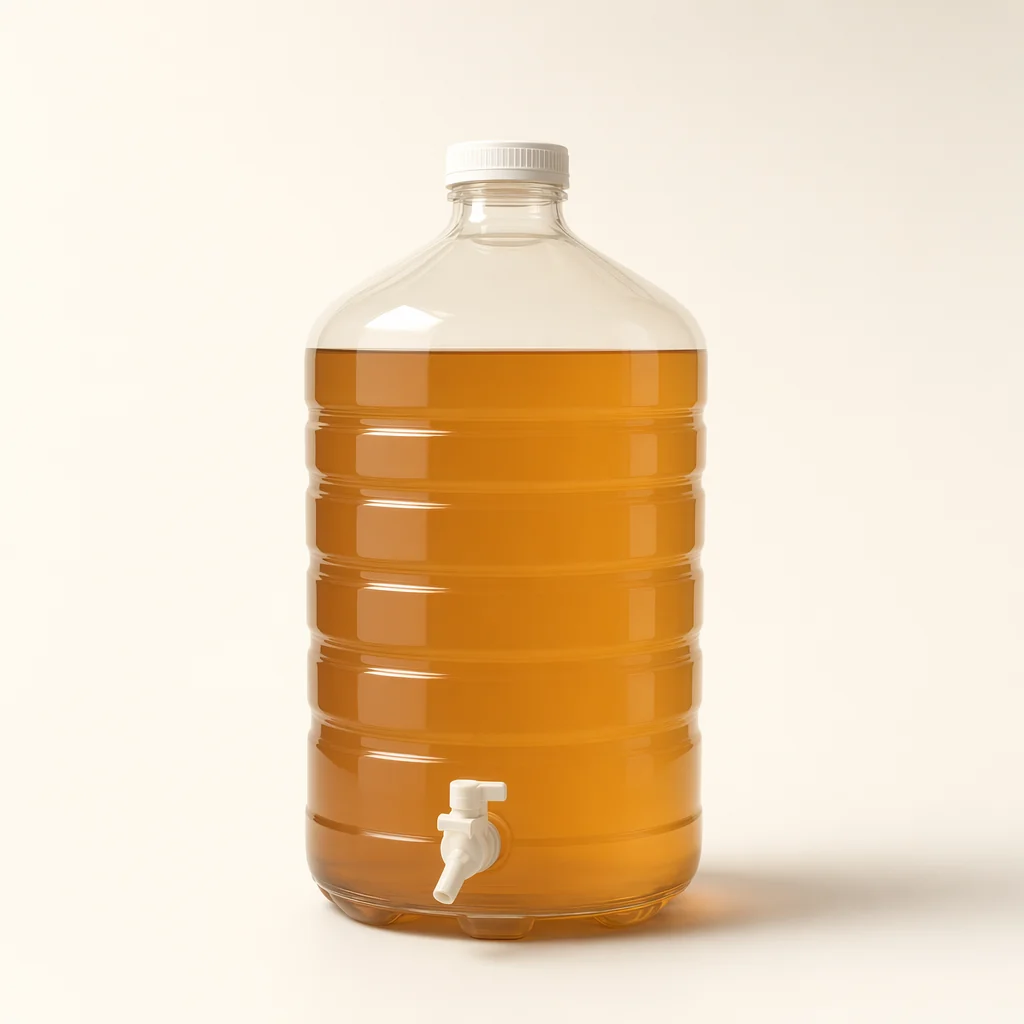
- Bulk packs quoted on request; ask whether a powder format is available
- Private label / OEM
- Private-label and OEM packaging quoted on request
- Lot reservation
- Lot reservation for repeat supply on request
- Lead time
- Quoted per order
- Documents
- Certificate of Analysis on request
We supply companies that resell to laboratories: distributors, resellers, catalogue companies, marketplaces and private-label buyers. We do not sell single units to individual labs.
Overview
CCM-SF-0057 is a ready-to-use liquid medium for 293F-type and other HEK293-derived suspension cell culture systems used in recombinant protein expression, transient transfection process development, and upstream biomanufacturing research. The formulation is serum-free and animal-origin-free, reducing reliance on undefined biological inputs while supporting consistent handling in controlled laboratory and pilot-scale environments. For related formulations, buyers can review the serum-free media category or consolidate requirements through a single procurement request.
Key supplied specifications include pH 7.0-7.4 and osmolality 270-340 mOsmol/kg. The medium is filter sterilized, with an endotoxin specification of ≤3 EU/mL and a stated shelf life of 12 months when stored as directed. The formulation contains D-glucose, 2 mM L-glutamine, and 2 mM L-alanyl-glutamine; phenol red is not included. The product is intended for culture at 37 °C in a humidified incubator with 5-10% CO2, according to the receiving laboratory's established cell line adaptation and passage procedures.
Applications
- Serum-free suspension culture of HEK293-derived cells, including 293F-type systems used in shake flasks, spinner vessels, and controlled bench-scale bioreactors.
- Transient transfection workflows for plasmid-based expression studies, process parameter screening, and small-batch production of recombinant proteins or biologic research materials.
- Animal-origin-free process development where laboratories need to minimize undefined serum components and align upstream media selection with later-stage scale-up requirements.
- Comparability studies for media screening, feeding strategy evaluation, inoculum expansion, and productivity optimization in vaccine research and biopharmaceutical development settings.
- Phenol-red-free culture conditions where optical readouts, color-sensitive assays, or analytical sampling programs benefit from reduced background interference.
Storage and Handling
Store CCM-SF-0057 at 2-8 °C protected from light. The product ships on blue ice and should be transferred to refrigerated storage promptly after receipt. Do not use beyond the assigned expiry date, and avoid prolonged exposure to ambient temperature during routine sampling or media changes. As with all serum-free media, aseptic technique is required after opening; dispense only in a qualified biosafety cabinet or equivalent controlled environment. For best operational control, record lot number, opening date, storage temperature, and any in-house hold-time limits in the batch or laboratory record.
Quality and Documentation
CellCultureMedia supplies CCM-SF-0057 for research and bioprocessing use with specification-based quality controls aligned with ISO-style manufacturing and release practices. Lot-specific documentation, including a Certificate of Analysis, is available on request through the quality documentation page. Shipping is quoted per order where available, and the team can support recurring, bulk, or multi-site purchasing through the request quote workflow. Procurement teams may reference CCM-SF-0057, 500 mL format, when requesting availability, lead time, and bulk pricing.
What to send for a quotation
- Product and SKU (CCM-SF-0057)
- Pack size (500 mL)
- Quantity per quarter
- Repeat cadence
- Destination country
Pricing, minimums and lead time are stated in the written quotation. Private label and lot reservation can be requested; both are quoted per project or order. See the distributor programme for how we work with resellers.
Specifications
Formulation highlights
Contains (+)
D-glucose, 2 mM L-glutamine, 2 mM L-alanyl-L-glutamine
Does not contain (-)
Phenol red
Storage and handling
Storage: 2~8 ℃, protected from light. Shelf life: 12 months. Shipped cold-chain where required.
Quality and documentation
Manufactured under ISO-aligned quality management systems. A Certificate of Analysis is available on request: email info@cellculturemedia.bio with the SKU.
About this product
What cell lines does this product support?
How is this product shipped?
Is a Certificate of Analysis available?
What is the typical lead time?
Do you offer bulk pricing?
Learn more about this
- Iodixanol as a Density Gradient MediumIodixanol is a non-ionic, water-soluble iodinated compound used as a density gradient medium, supplied as a sterile 60% (w/v) solution with a density of 1.32 g/mL. Its defining advantage is that it is iso-osmotic across the whole useful density range -- a 60% solution has an osmolality of approximately 290 mOsm/kg -- so cells, organelles, viruses and extracellular vesicles can be banded at high density without the osmotic dehydration caused by sucrose or the high ionic strength of caesium chloride. It is the standard medium for laboratory-scale AAV purification, where a four-step gradient of 15%, 25%, 40% and 60% separates genome-containing capsids at the 40-60% interface, and it is also widely used for cell separation, organelle fractionation and extracellular vesicle flotation.
More from Serum-Free Media
Request a wholesale quote
We have received your message. We will reply by email.